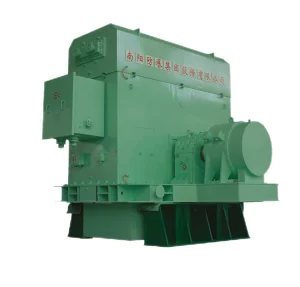
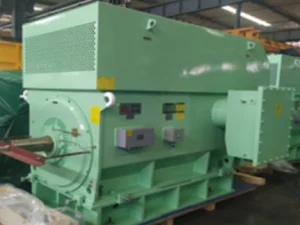
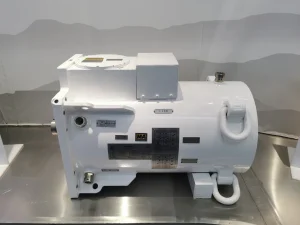
Providing heavy-duty explosion-proof motor systems, advanced industrial drive technologies, and certified engineering support for Busan Port, shipbuilding infrastructure, and petrochemical sectors.
Send Inquiry NowEngineered to comply with high safety codes, these compact, highly efficient synchronous and asynchronous electric motors are customized for hazardous applications in marine terminals, docks, and refineries throughout Busan.
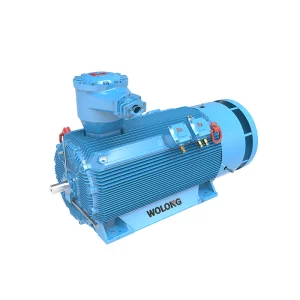
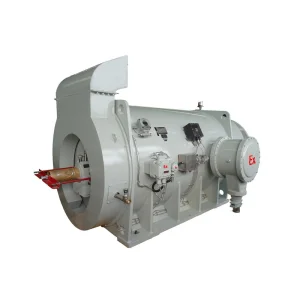
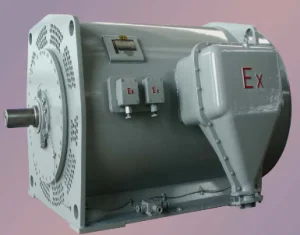
Busan, the maritime gateway of South Korea, handles over 75% of the country’s containerized cargo and serves as a major hub for shipbuilding, marine logistics, and heavy industrial operations. The industrial zones of Busan Port, Noksan National Industrial Complex, and nearby Geoje and Ulsan shipbuilding clusters operate under strict hazardous environments where explosive gases, volatile organic compounds (VOCs), and combustible marine fuels (such as LNG, LPG, and ammonia) are processed, stored, and transported daily.
In these critical environments, safety is paramount. High voltage (HV) equipment, such as pump systems, ventilation systems, compressors, and conveyors, requires explosion-proof motors that comply with international explosion protection standards. Our high-voltage explosion-proof AC motors (ranging from 3kV to 13.8kV) provide reliable propulsion, ventilation, and compression. Engineered to withstand high ambient moisture, salty air, and hazardous zone atmospheres, these systems are certified under international schemas like IECEx, ATEX, and South Korea’s KCs certifications, ensuring safety and uptime for Busan's offshore rigs, dry docks, and coastal processing refineries.
The global industrial motor sector is undergoing a transformation driven by three core forces: energy efficiency regulations, digitalization of predictive maintenance, and strict environmental safety compliance. Internationally, major industrial standardizations (like the European IEC and North American NEMA frameworks) are phasing out lower-efficiency motors, prompting companies to transition to premium efficiency levels (IE3, IE4, and the emerging IE5 standards). In dangerous environments, these gains must be achieved without compromising explosion-proof enclosures or cooling capabilities.
Another major trend is the integration of digital diagnostic sensors inside motor frames. Modern offshore platforms and refineries use IoT sensors to monitor thermal margins, vibrations, and insulation degradation in real-time. This predictive maintenance strategy reduces unexpected shutdowns in critical systems. Additionally, the global shift toward cleaner alternative fuels (such as LNG bunkering, hydrogen logistics, and CCS—Carbon Capture and Storage) is creating new demands for specialized explosion-proof induction and synchronous motors capable of operating in Zone 1 and Zone 2 environments.

Providing globally certified heavy industrial drive solutions
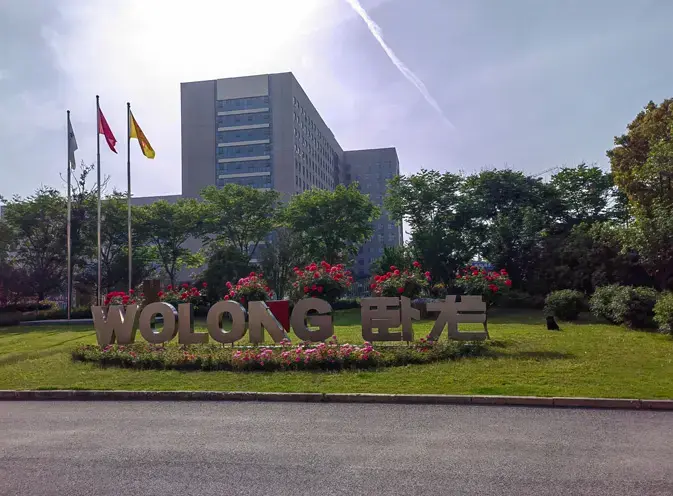
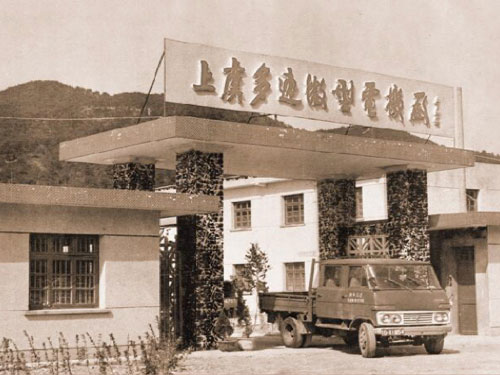
Shaanxi Nanfang Motor Technology Co., Ltd is an authorized global distributor of Wolong. Wolong Electric Drive Group Co., Ltd., founded in 1984 and listed on the Shanghai Stock Exchange in 2002 (SH600580), has grown over the past three decades into a leading motor drive manufacturer. The group operates 3 primary manufacturing hubs, 39 individual production factories, and 3 global R&D centers, employing international engineering teams to push the limits of rotating machinery design.
Wolong's global brand strategy has led to the acquisition of several historical European and American motor companies, including ATB (Austria), Brook Crompton (UK), Morley (UK), Laurence Scott (UK), Schorch (Germany), OLI (Italy), Nanyang Explosion Protection Group (CNE), and GE's Industrial Motor Division. This combined expertise makes Wolong a global player in motor design, high-voltage testing, and multi-national explosion-proof compliance, supplying advanced drive systems to industrial operators worldwide.
How our high-voltage motors achieve high safety margins and structural integrity in hazardous environments.
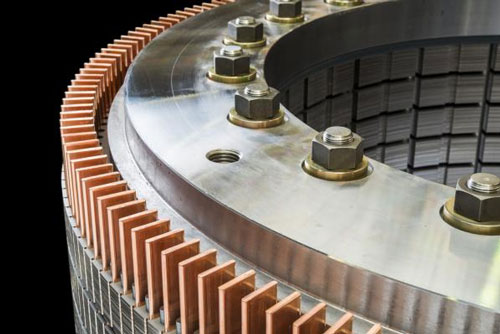
The stator coil is built using polyester film reinforced with high-purity glass cloth, utilizing medium-to-high powder mica tape to optimize dielectric strength. After winding, the stator core undergoes a computerized Vacuum Pressure Impregnation (VPI) cycle, filling microscopic voids with high-grade solventless epoxy resin. This process enhances the motor's electrical strength, structural rigidity, moisture resistance, and thermal stability under long-term thermal cycling.
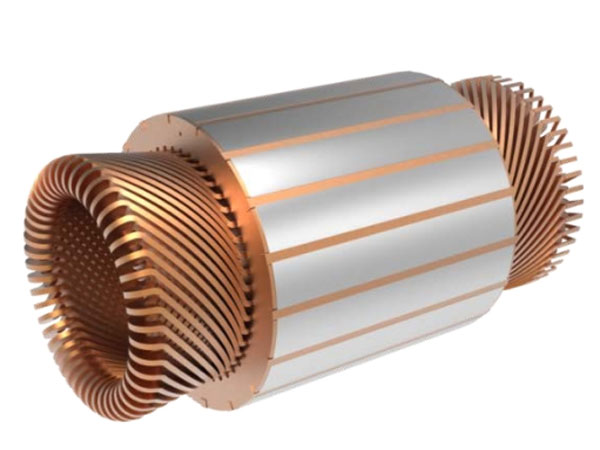
Our rotors feature a heavy-duty squirrel cage design. For smaller frame sizes, we use centrifugal cast aluminum or high-pressure die-casting processes, integrating the rotor bars and end rings into a single structure to eliminate connection resistance. For larger high-voltage and high-speed applications, we employ hand-brazed copper bar rotors with robust end-ring weld procedures and steel retaining rings. This construction provides reliable performance during across-the-line (DOL) starts and variable-frequency operations.
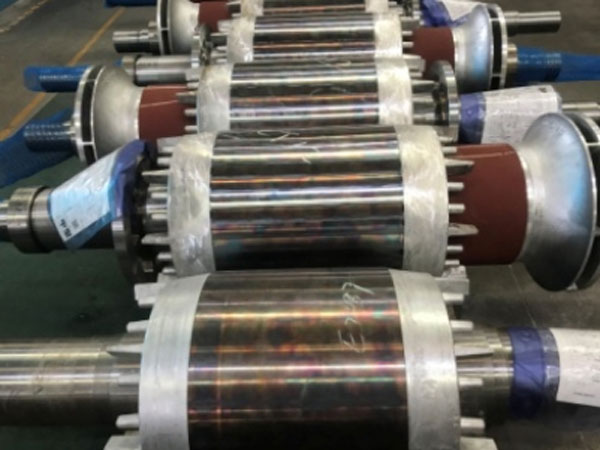
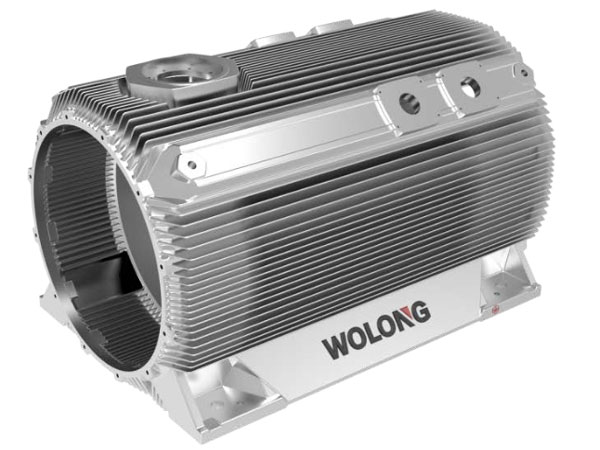
The motor enclosure is designed using structural and fluid-dynamic simulation platforms (FEA and CFD). Cast from high-tensile gray iron or welded structural steel plates, the frames feature high thermal dissipation ribs, structural stiffness, and vibration isolation margins. This design minimizes mechanical resonance, protects internal components from external impacts, and limits overall temperature rise in hazardous zones.
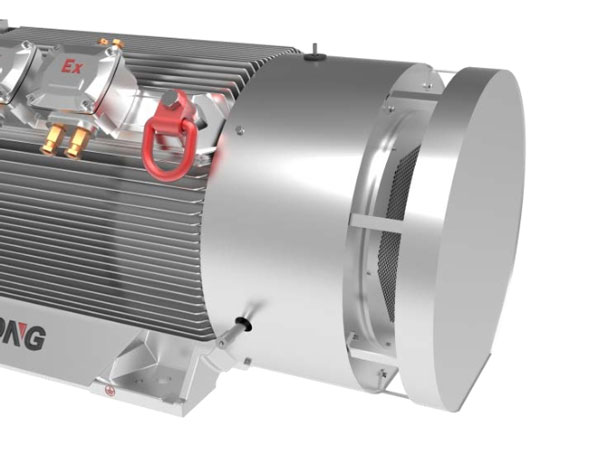
The low-noise cooling fan system includes an optimized fan shroud, air guiding cylinder, protective safety screens, and internal acoustic silencer plates. The side-entry air inlets improve airflow distribution and reduce turbulence noise, even when installed near ship bulkheads or warehouse walls. Rated at IP22 to IP55, the fan hood prevents debris entry while protecting maintenance personnel from rotating components.
Combining international motor brands to deliver specialized explosion-proof solutions for heavy industry.
Acquired in 2011, Austria’s ATB Group brings over a century of high-specification motor manufacturing experience. Under the ATB umbrella, Morley has specialized in heavy-duty coal mining, tunnel boring, and mineral processing motors for nearly 130 years, building a reputation for durability in harsh environments.
Schorch (established 1882) specializes in large, customized driving systems for oil, gas, and petrochemical projects. Laurence Scott pioneered low-starting-current motor systems for nuclear power generators and military marine vessels, enhancing our ability to engineer custom high-voltage drive systems.
The addition of General Electric’s Industrial Motor division and Nanyang Explosion Protection Group (China's largest R&D and production base for explosion-proof motors) has expanded our capacity to engineer high-voltage machines for chemical, defense, and nuclear industries.

Our motor products comply with major global safety organizations, facilitating export and operations across Europe, America, and Asia.
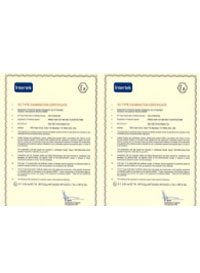
ATEX / Nemko
CSA Standard
CE Directive
CCC Seal
SABS Standard
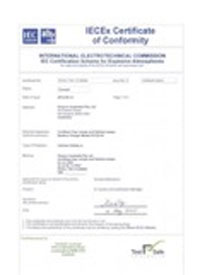
TESTSAFE Ex
Our commitment to global market integration means complying with key localized safety standards:
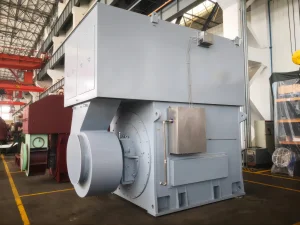
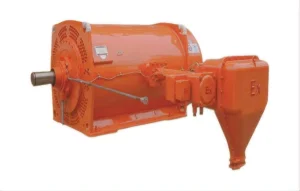
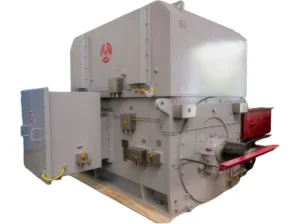
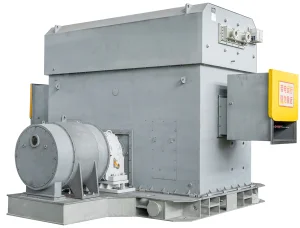
Discover our comprehensive range of high-voltage asynchronous motors, synchronous condensers, and dust-ignition-proof drives tailored for industrial operations in Busan.
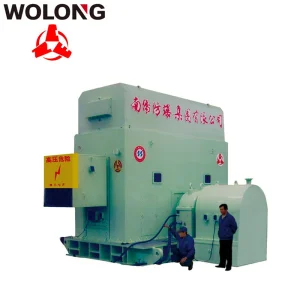
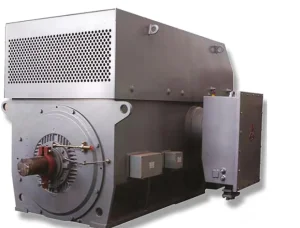
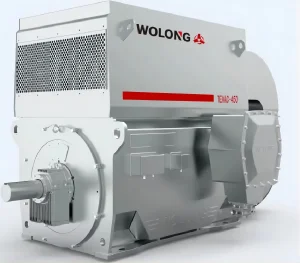
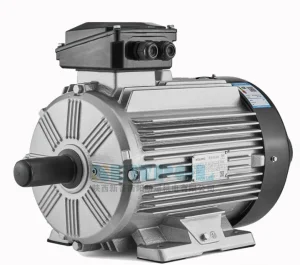
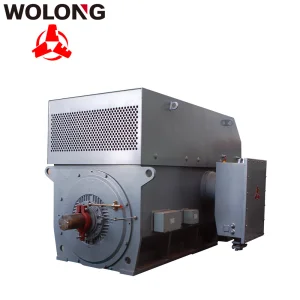
Answers to common engineering queries regarding high voltage explosion-proof motor installations in industrial environments.
While IECEx is an international scheme and ATEX is the European directive, South Korea enforces the KCs (Korea Occupational Safety and Health Agency) certification framework. KCs standards are highly aligned with the IEC 60079 series. However, to legally deploy electrical equipment in hazardous areas in Korea, the manufacturer must obtain KCs certifications. We assist clients by providing products that carry the required local KCs approval alongside traditional ATEX and IECEx labels, streamlining the compliance process for projects in Busan and Ulsan.
Flameproof (Ex d) motors are built with an enclosure strong enough to withstand an internal gas explosion without deformation, cooling escaping hot gases to prevent ignition of the surrounding atmosphere. They are commonly used in Zone 1 applications. Positive Pressure (Ex p) motors maintain a continuous internal overpressure of clean air or inert gas to prevent explosive gases from entering the enclosure. Ex p designs are suitable for high-power high-voltage synchronous and induction motors where an Ex d enclosure would be too heavy or large.
Busan's maritime climate presents challenges like salt spray, high humidity, and temperature variations. Motors operating in coastal or offshore environments require:
1. Class F insulation systems with Class B temperature rise margins to prevent breakdown.
2. Marine-grade anti-corrosive coatings (ISO 12944 C5-M certified) for frames and junction boxes.
3. Internal space heaters to prevent moisture condensation during shut-down cycles.
4. High IP ratings (typically IP55 to IP56) on terminal boxes to prevent saline water ingress.
High voltage operations (3kV to 13.8kV) subject stator windings to strong electromagnetic forces and potential partial discharge. Traditional dip-and-bake varnishing leaves air pockets within the slot structures, which can lead to localized electrical discharge and insulation failure. The VPI process uses vacuum and high pressure to thoroughly impregnate the mica insulated windings with epoxy resin. This forms a solid insulation barrier that improves heat transfer, mechanical stability, and chemical resistance.
Yes, but VFD operation introduces issues like voltage spikes (high dV/dt rates) and shaft currents. For VFD-compatible motors, such as our YBBPX High Voltage Variable Frequency series, we include:
1. Insulated bearings or grounding brushes to prevent electrical pitting.
2. Reinforced insulation systems to handle high dV/dt voltage transients.
3. Independent cooling blowers (forced ventilation) to ensure proper cooling at low operating speeds when torque demand remains high.
Whether you require customized explosion-proof motor configurations for offshore platforms, shipyards, or petrochemical installations in Busan, our technical sales department is available to provide performance specifications, drawings, and quotation packages.
Send Inquiry Now NANFANG