High Voltage Motors have become essential assets in various industries worldwide. Their ability to drive significant machinery efficiently is unmatched. In today's competitive market, understanding the advantages of these motors is crucial for global buyers. This article highlights the top ten benefits of High Voltage Motors, offering insights you can trust.
Investing in High Voltage Motors can lead to considerable savings and performance improvements. Many industries, such as mining and manufacturing, rely heavily on these motors. Their design allows for greater operational efficiency, even under challenging conditions. However, not all buyers are aware of their full potential. This article aims to bridge that gap.
While High Voltage Motors present numerous benefits, buyers must exercise caution. Understanding the specific needs of your operations is critical. Not every motor will meet every requirement effectively. Evaluating options thoroughly will help you make informed decisions and maximize your investment.
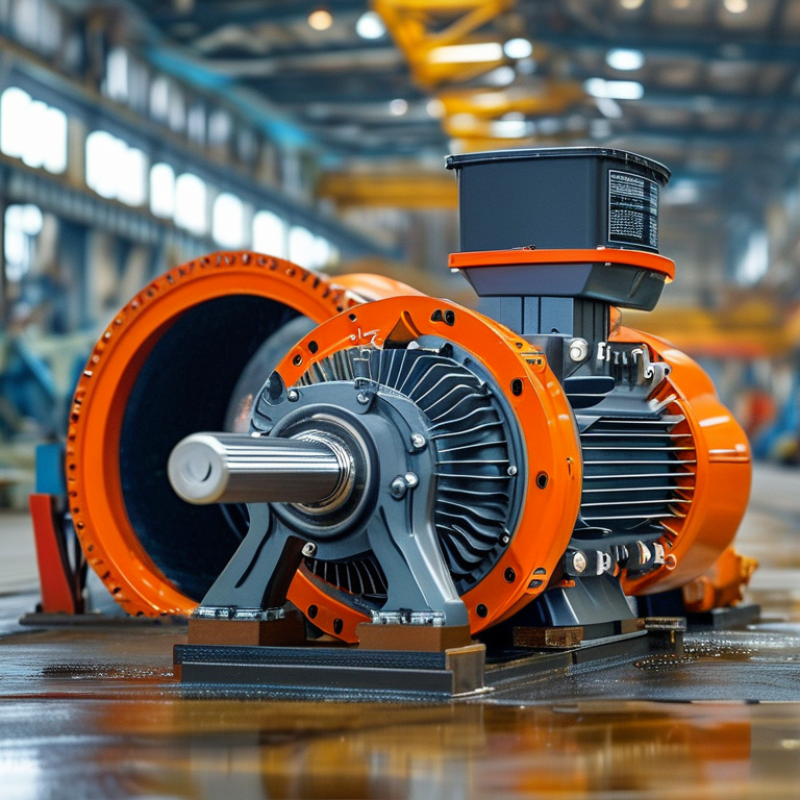
Top High Voltage Motor Benefits for Global Buyers: An Overview
High voltage motors are crucial for various industries, including manufacturing and energy. They operate efficiently, reducing operational costs significantly. According to a report by the International Energy Agency, electric motors account for about 45% of global electricity consumption. High voltage motors can improve energy efficiency by up to 10% compared to standard models, leading to substantial savings.
The maintenance of high voltage motors requires specialized knowledge. Regular servicing is vital for optimal performance. The Motor Systems Market Assessment report suggests that predictive maintenance can reduce downtime by 15%. Understanding the technology used in these motors is essential. Investing in high voltage motors can yield long-term benefits, but it demands initial research and careful selection. Selecting an unsuitable motor could lead to inefficiencies.
Moreover, high voltage motors have environmental implications. They can contribute to lower carbon emissions when used efficiently. The Global Energy Review highlighted that improving motor efficiency can reduce energy-related CO2 emissions by nearly 10 billion tons by 2040. However, every motor comes with limitations. Buyers must consider operational demands, installation complexities, and maintenance needs. Balancing these factors is crucial in making informed decisions.
Top 10 High Voltage Motor Benefits for Global Buyers
Enhanced Energy Efficiency and Cost Savings of High Voltage Motors
High voltage motors offer significant advantages in energy efficiency and cost savings for industrial applications. These motors operate at higher voltages, which can reduce current flow. This leads to lower energy losses during transmission. By investing in high voltage motors, companies can achieve considerable energy savings over the long term. Efficiency ratings often exceed standard motors, contributing directly to reduced operational costs.
Additionally, high voltage motors require less copper and aluminum in their windings. This not only minimizes material costs but also lessens environmental impact. Maintenance needs are lower as well, thanks to fewer components prone to wear. Many companies overlook the initial investment when assessing total cost of ownership. This can lead to missed opportunities for savings.
The transition to high voltage motors isn’t always straightforward. Some organizations may face challenges in training staff or modifying existing infrastructure. These hurdles can slow down the implementation process. Careful planning and foresight are essential to ensure a smooth transition. Ultimately, the trade-offs often favor long-term benefits over temporary inconveniences.
Improved Performance Metrics: Torque, Speed, and Load Capacity
High voltage motors offer remarkable advantages in several performance metrics. Specifically, they excel in torque production, enabling equipment to handle heavier loads effectively. This high torque output is essential in industries such as manufacturing and mining, where machinery demands are substantial. It ensures that operations run smoothly without stalling, which enhances overall productivity.
Another crucial aspect is speed. High voltage motors can achieve increased rotational speeds compared to their low voltage counterparts. This speed is vital for applications that require quick acceleration and deceleration. However, this increased speed can lead to higher wear and tear on components. Regular maintenance is necessary to mitigate potential issues arising from this factor.
Load capacity is yet another benefit worth noting. A high voltage motor can sustain larger loads without sacrificing efficiency. This capability meets the growing demands of modern machinery. Nevertheless, it is critical to assess the motor’s specifications thoroughly. Buyers must ensure the motor matches their operational requirements to avoid overstressing the system. Ignoring this can lead to operational issues and increased energy consumption, highlighting the importance of informed decision-making.
Longer Lifespan and Durability in Challenging Industrial Environments
High voltage motors are essential in many industrial sectors. They operate effectively in challenging environments, often facing extreme temperatures and vibrations. Studies show that high voltage motors have a lifespan that can exceed 20 years. This is significantly longer than traditional motors, which typically last about 10 to 15 years. The durability of these motors makes them a preferred choice for heavy-duty applications.
In challenging environments, high voltage motors use robust materials. This helps to resist wear and corrosion. According to a recent industry report, nearly 30% of industrial downtime is related to motor failures. High voltage motors mitigate this risk, allowing for more reliable operations. Their resilience minimizes maintenance costs, contributing to overall operational efficiency.
Yet, challenges remain. Proper installation and regular maintenance are critical. Without them, even robust motors may underperform. Buyers must educate themselves on potential pitfalls. This ensures they maximize the benefits of high voltage motors, especially in demanding applications. Adopting a proactive approach can lead to smoother operations and reduced costs over time.
Compliance with Global Standards and Regulations for Safety and Performance
High voltage motors are essential for various industrial applications. Compliance with global standards is crucial for safety and performance. These regulations ensure that motors function effectively under diverse conditions. According to the International Electrotechnical Commission (IEC), over 80% of electrical accidents occur due to non-compliant equipment. This statistic highlights the importance of adhering to safety guidelines.
High voltage motors designed to meet these standards can significantly reduce operational risks. They undergo rigorous testing to ensure reliability and longevity. A report by the Institute of Electrical and Electronics Engineers (IEEE) states that compliant motors can reduce energy consumption by up to 15%. This is an important factor for industries aiming to optimize costs while minimizing environmental impact.
**Tip:** Always check if the high voltage motor meets local and international standards. Non-compliance can lead to costly downtimes and safety hazards. Regular audits may help identify areas needing improvement in compliance practices. Investing in certified motors not only enhances performance but also boosts confidence among stakeholders.
Advancements in Technology: Smart Motors and Control Systems
As technology evolves, smart motors and control systems have transformed high voltage applications. These innovations enhance efficiency, reduce energy consumption, and improve performance. By integrating sensors, they enable real-time monitoring and diagnostics. This proactive approach helps prevent downtime and costly repairs.
Investing in smart motor systems leads to operational improvements. They offer higher precision control, adapting to changes swiftly. Users are now able to optimize processes without manual oversight. This level of automation can be a game-changer for industries seeking to maintain a competitive edge.
Tips for optimizing motor performance include regular software updates. Keeping systems current ensures access to the latest features. Additionally, consider investing in training for staff. Educated personnel can maximize the benefits of smart technologies effectively. Take time to evaluate your current setup. Identification of weaknesses helps in planning future upgrades. Ultimately, the goal is a reliable, efficient, and forward-thinking operation.
FAQS
: High voltage motors offer improved energy efficiency and significant cost savings. They also minimize operational expenses through reduced energy losses.
They account for much of the global electricity use. Their efficiency can lead to energy savings of up to 10%.
Maintenance requires specialized knowledge. Regular servicing is essential to avoid performance issues and reduce downtime.
Yes, efficient motors can lower carbon emissions significantly. Their use contributes to greater sustainability in industrial practices.
Training staff and modifying existing infrastructure are common hurdles. These challenges can delay implementation.
Compliance is crucial for safety and performance. Non-compliance increases risks and can lead to costly operational issues.
Buyers must evaluate operational needs, maintenance requirements, and installation complexities. Poor selection can lead to inefficiencies.
While initial investment is high, long-term savings often outweigh costs. This is frequently overlooked by many organizations.
They typically use less copper and aluminum, which reduces both material costs and environmental footprint.
It can lead to serious safety hazards and downtime. Regular audits can help identify compliance gaps.
Conclusion
High Voltage Motors offer numerous benefits that are particularly appealing to global buyers seeking efficiency and reliability in industrial applications. One of the most significant advantages is their enhanced energy efficiency, which leads to substantial cost savings over time. Additionally, these motors are designed to deliver improved performance metrics, including higher torque, increased speed, and greater load capacity, making them suitable for demanding operational environments.
Moreover, High Voltage Motors are built for longevity and durability, ensuring they can withstand challenging conditions often found in industrial settings. Compliance with global standards and regulations further assures buyers of safety and performance quality. The ongoing advancements in technology, such as the development of smart motors and sophisticated control systems, also contribute to their appeal, promising greater automation and improved operational management for industries worldwide.

 NANFANG